
WHATSAPP LA SIDRA

Noticies

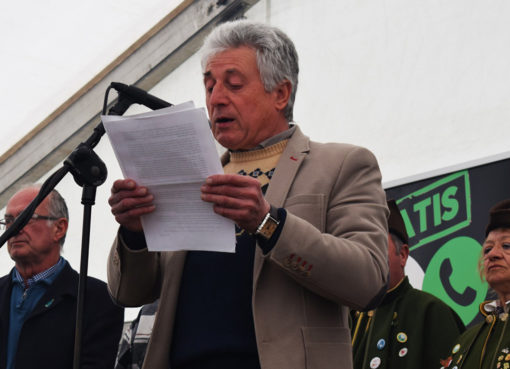
El Pregón de la XIV Primer Sidre L'Añu foi realizáu pol músicu y escritor Carlos Rubiera, y pol so interés paeciómos afayaízo reco


Tasties
Ver too

Sidreturismu
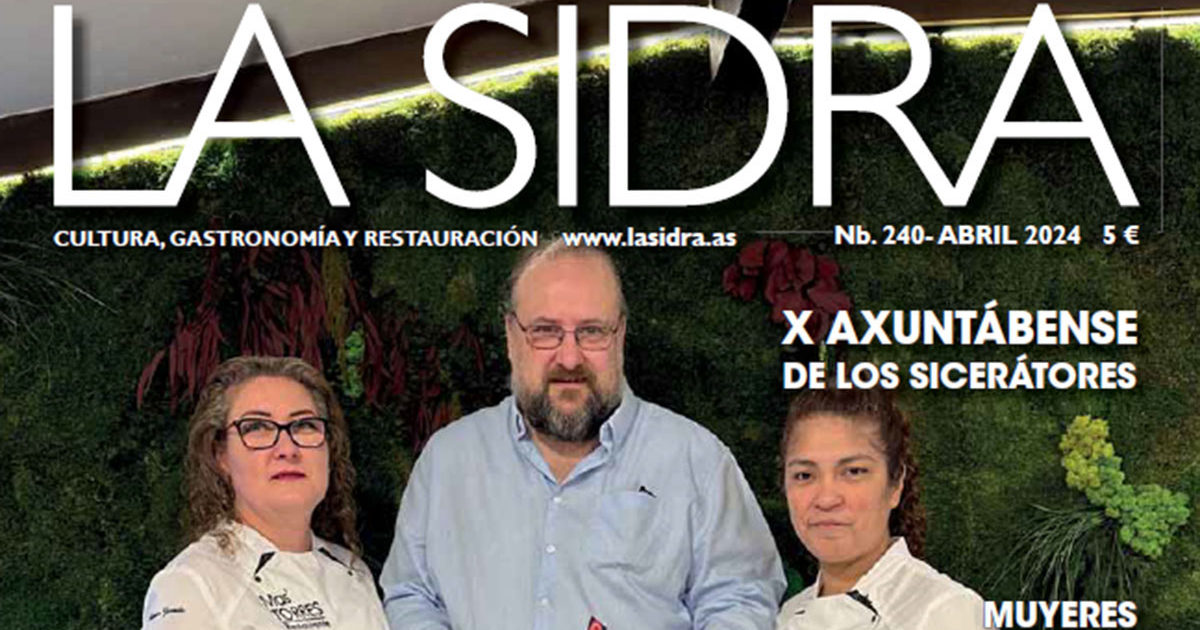
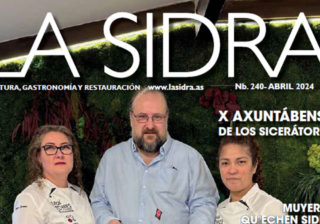
LA SIDRA d’Abril’24 (Nb. 240)
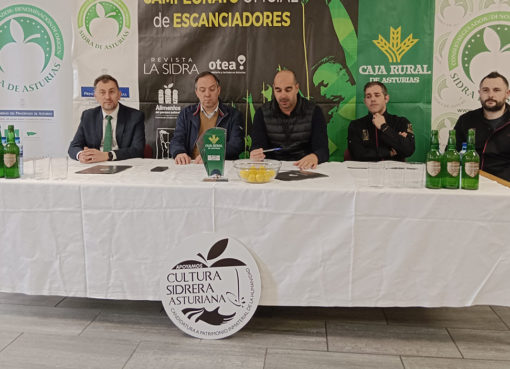
Impresionante arranque de la XIV Primer Sidre l’Añu


DOP Sidre d'Asturies
LA SIDRA d’Abril’24 (Nb. 240)
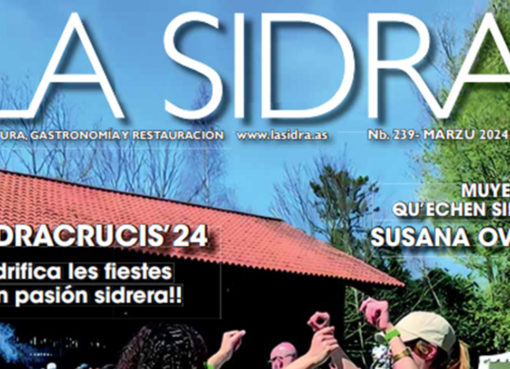
LA SIDRA de Marzu’24 (Nb.239)
Chigres

Cultura Sidrera
ChigresClú de LA SIDRACultura sidreraDOP Sidre d'AsturiesLa sidraLlagaresOpiniónRevistaSidreturismuTasties
LA SIDRA d’Abril’24 (Nb. 240)
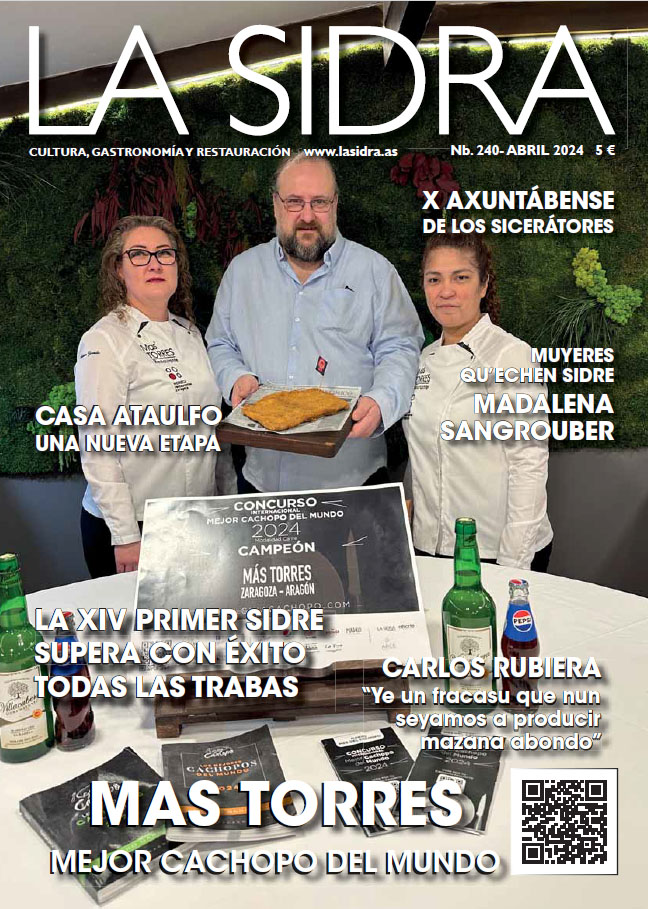
Espublización correspuendiente al mes d'abril 2024 (Nb. 240) con tola información sidrero del mes, entamando pola entrevista al mú




Siguemos




Eventos
Events in Abril 2024
| Llunes | Martes | Miércoles | Xueves | Vienres | Sábadu | Domingu um |
|---|---|---|---|---|---|---|
1 Abril, 2024
|
2 Abril, 2024
|
3 Abril, 2024
|
4 Abril, 2024
|
5 Abril, 2024
|
6 Abril, 2024
|
7 Abril, 2024
|
8 Abril, 2024
|
9 Abril, 2024
|
10 Abril, 2024
|
11 Abril, 2024
|
12 Abril, 2024
|
13 Abril, 2024
|
14 Abril, 2024
|
15 Abril, 2024
|
16 Abril, 2024
|
17 Abril, 2024
|
18 Abril, 2024
|
19 Abril, 2024
|
N/A: FIESTA DE LA SIDRE DE LA FELGUERA Y LXXV CONCURSU D'ECHAORES Não aplicável
FIESTA DE LA SIDRE DE LA FELGUERA Y LXXV CONCURSU D'ECHAORES |
21 Abril, 2024
|
22 Abril, 2024
|
23 Abril, 2024
|
24 Abril, 2024
|
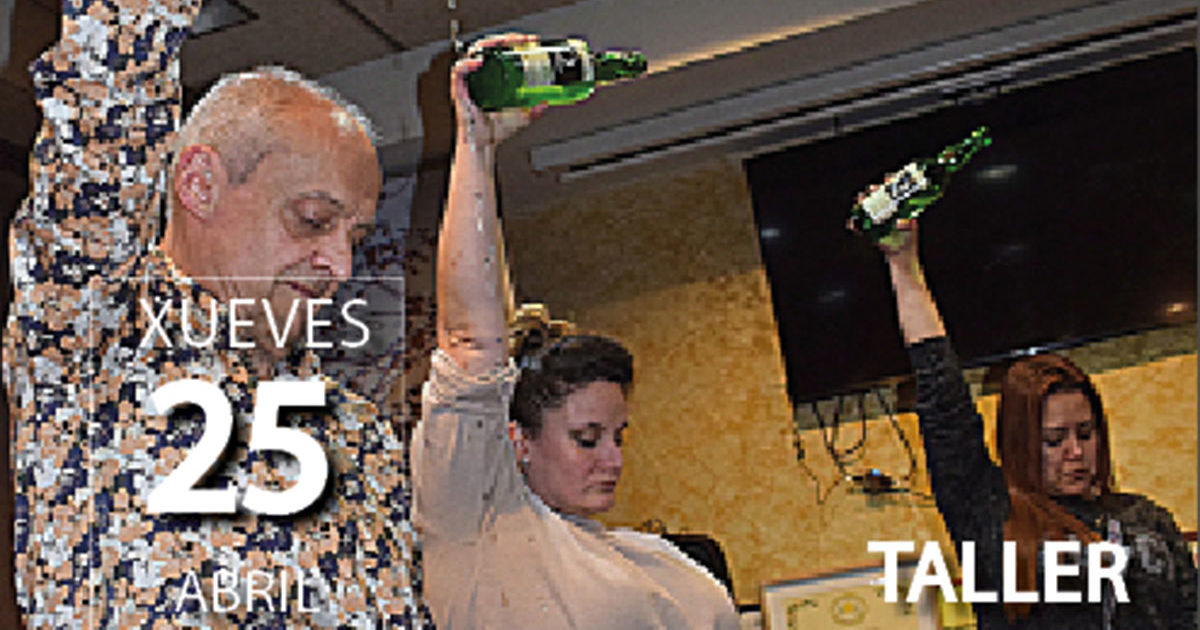
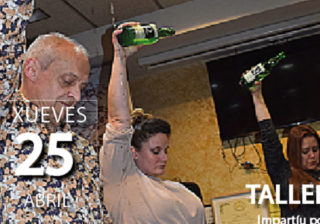
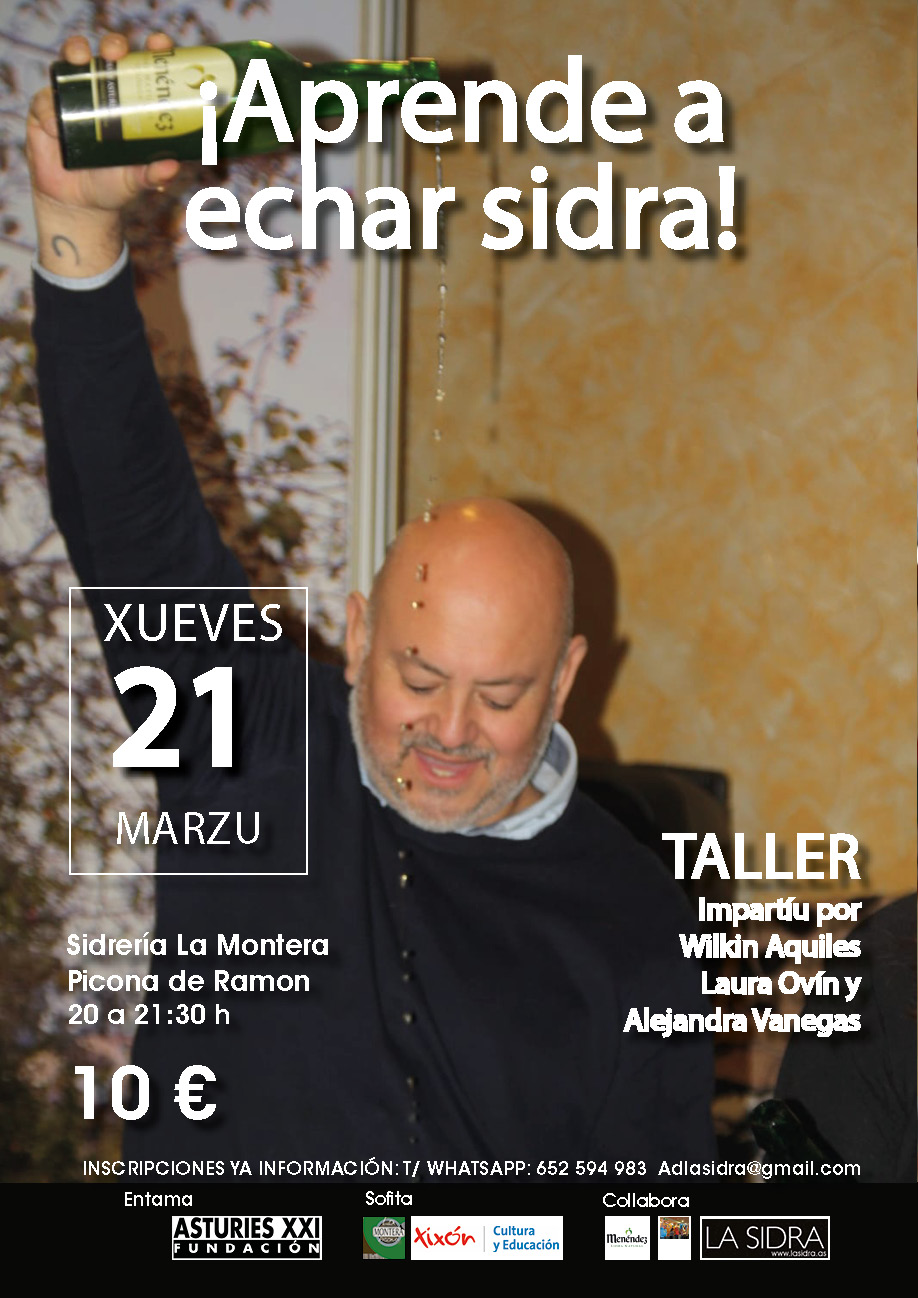
8:00 pm: TALLER D'ECHAR SIDRE ABRIL –
|
26 Abril, 2024
|
27 Abril, 2024
|
28 Abril, 2024
|
29 Abril, 2024
|
30 Abril, 2024
|
1 Mayu, 2024
|
2 Mayu, 2024
|
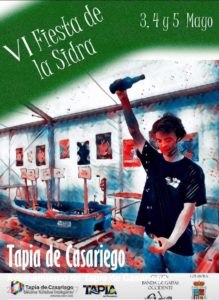
N/A: VI FIESTA DE LA SIDRA EN TAPIAN/A: VI FIESTA DE LA SIDRA EN TAPIA |
N/A: VI FIESTA DE LA SIDRA EN TAPIAN/A: VI FIESTA DE LA SIDRA EN TAPIA |
N/A: VI FIESTA DE LA SIDRA EN TAPIAN/A: VI FIESTA DE LA SIDRA EN TAPIA |
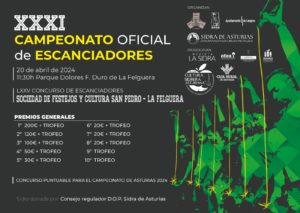 SÁBADU 20 D'ABRIL. La Felguera. Llangréu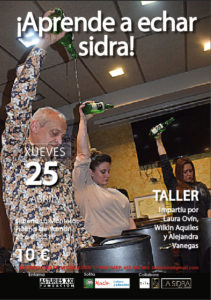
Whatsapp LA SIDRA

LA SIDRA d'Abril'24 (Nº 240)
VIÉNDESE EQUÍ

Fototeca LA SIDRA

TALLER D'ECHAR SIDRE
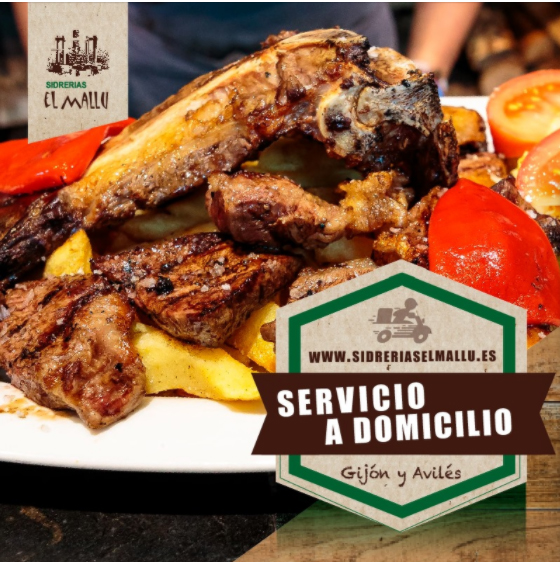
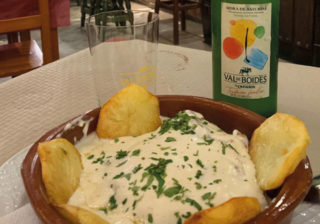
Sidrerías El Mallu, serviciu a domiciliu
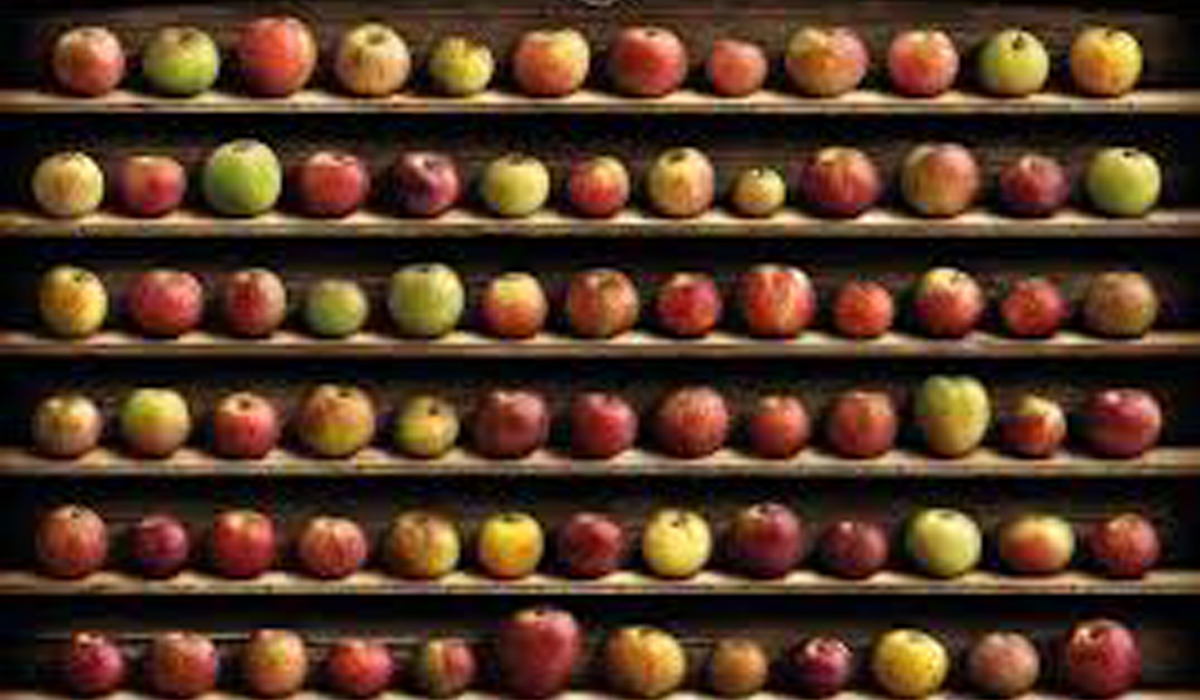
Races de mazana DOP Sidre d'Asturies

La Sidra
00:00
00:00
00:00
00:00
00:00
00:00
00:00
00:00
00:00
00:00
00:00
00:00
00:00
00:00
00:00
00:00
00:00
00:00
00:00
00:00
00:00
00:00
00:00
00:00
00:00
00:00
00:00
00:00
00:00
00:00
Mas lleidos
 Entamu 4 Setiembre, 2017 (224.714)
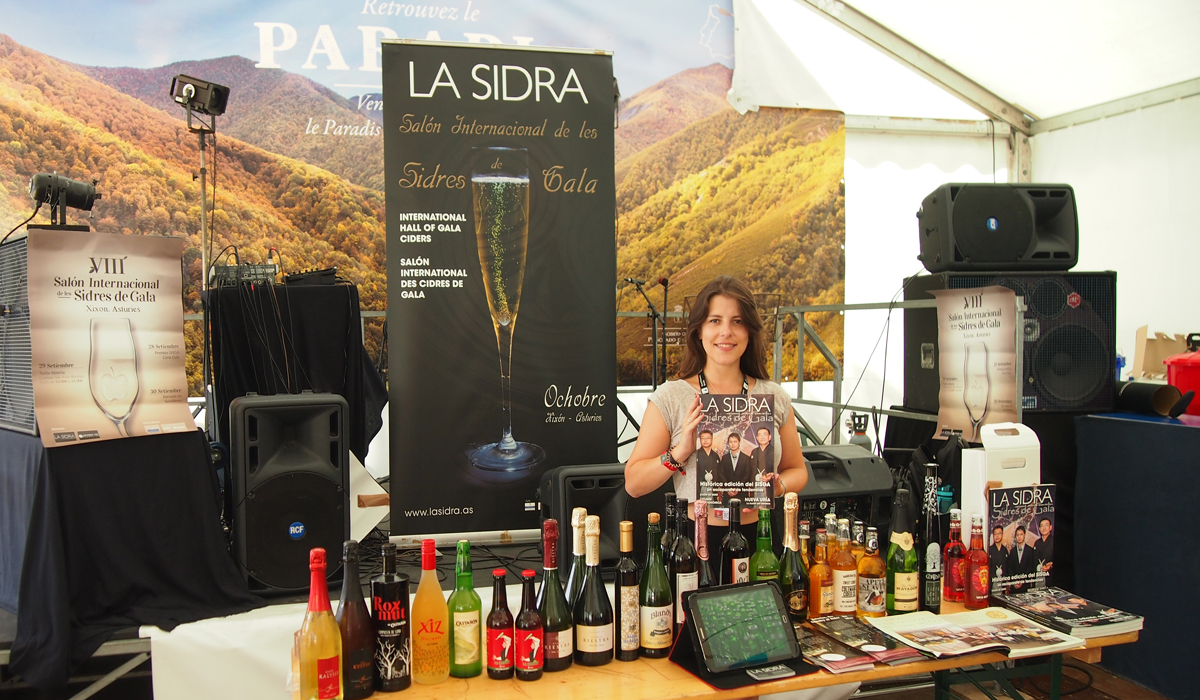 Tastia y presentación del SISGA… 7 Agostu, 2018 Ayeri llunes 6 demientres el Festival Intercélticu d’An Oriant (Lorient, Breizh) tuvo llugar la primera de les dos presentaciones que se fadrán del VIII Salón… (47.107)
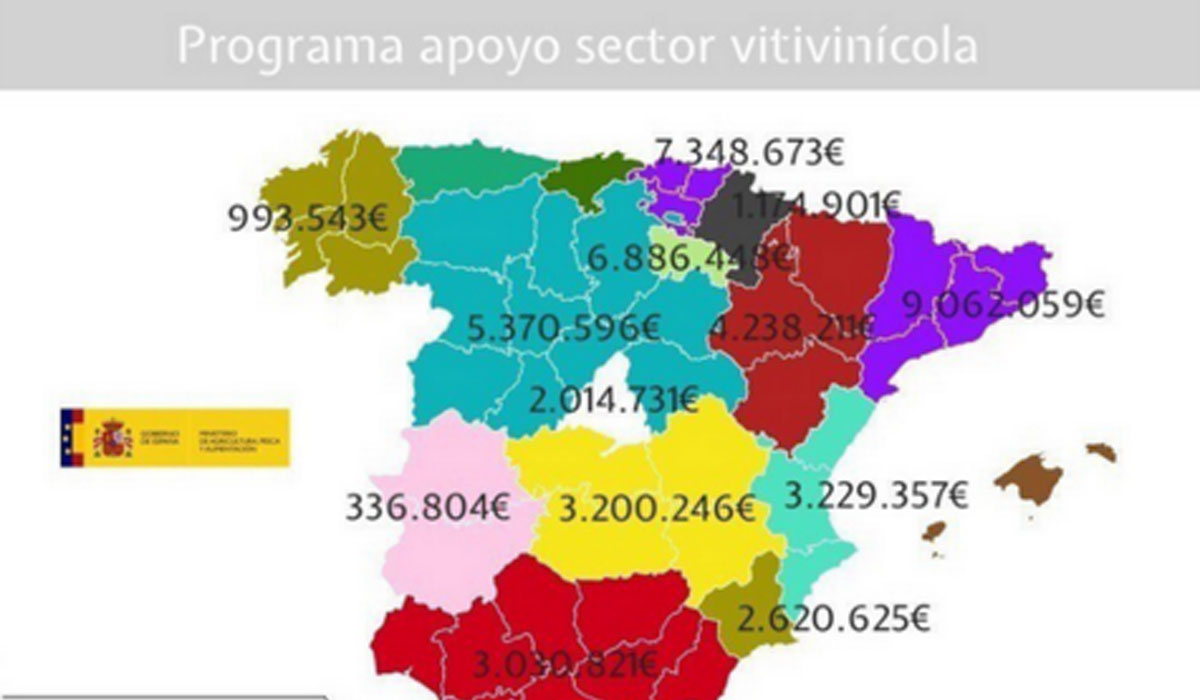 España discrimina a la sidre y… 12 Xunetu, 2018 El Ministeriu d’Agricultura Pesca y Alimentación destina 49,9 millones d’euros a sovencionar el vinu español y 0 euros a la sidre, pa enriba, el vinu… (30.527)
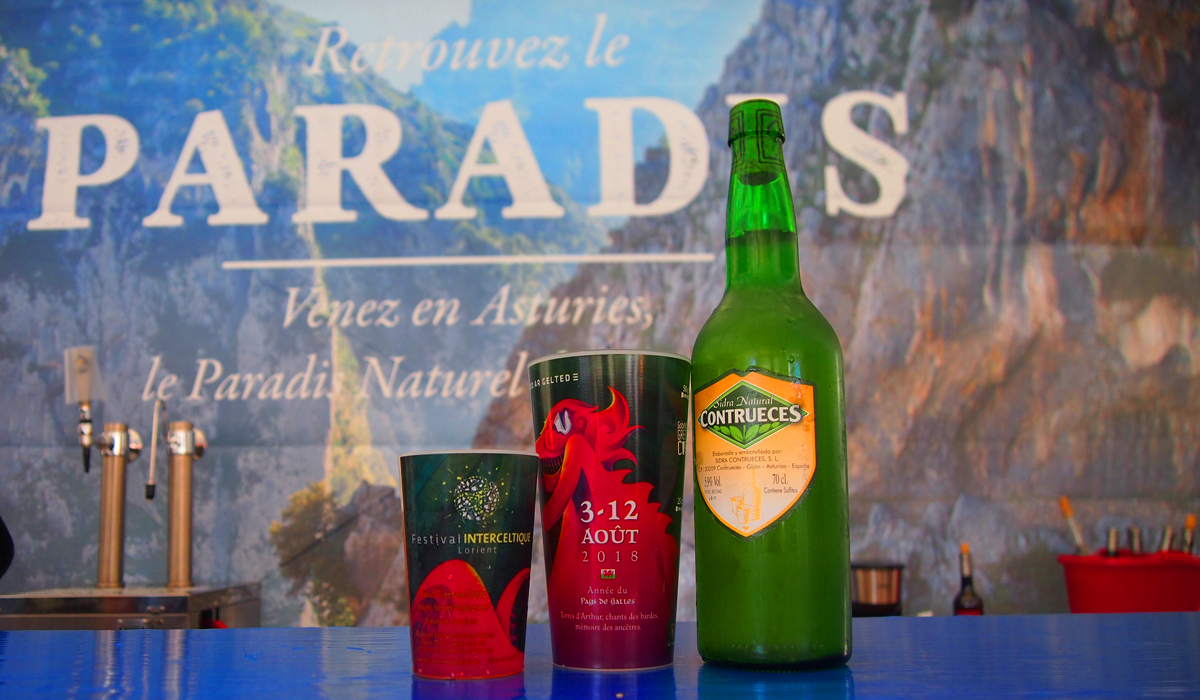 Gran ésitu de la carpa… 11 Agostu, 2018 El pabellón asturianu bate records de visites y ventes nel añu de la so vuelta con nueva xestión, programación cultural variao y productos d’alta calidá… (17.301)
Más recién
ChigresClú de LA SIDRACultura sidreraDOP Sidre d'AsturiesLa sidraLlagaresOpiniónRevistaSidreturismuTasties
LA SIDRA d’Abril’24 (Nb. 240)
Espublización correspuendiente al mes d'abril 2024 (Nb. 240) con tola información sidrero del mes, entamando pola entrevista al músicu y escritor Carlos Rubiera, amplia información de la XIV
Cultura sidreraEchaores
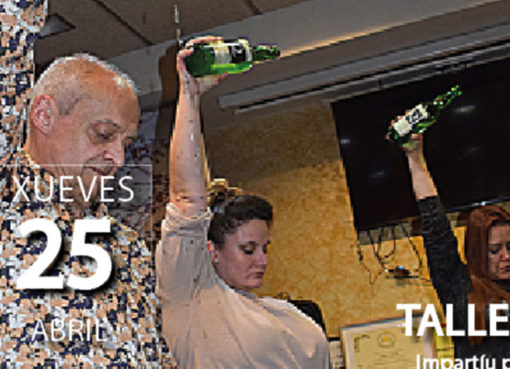
¡Deprende a echar sidre!!
El xueves 25 d'abril, el Clú de LA SIDRA entama na sidrería La Montera Picona de Ramón, un nuevu taller pa deprender a echar sidre, de la man de Wilkin Aquiles, Campión d’Ast
Llagares
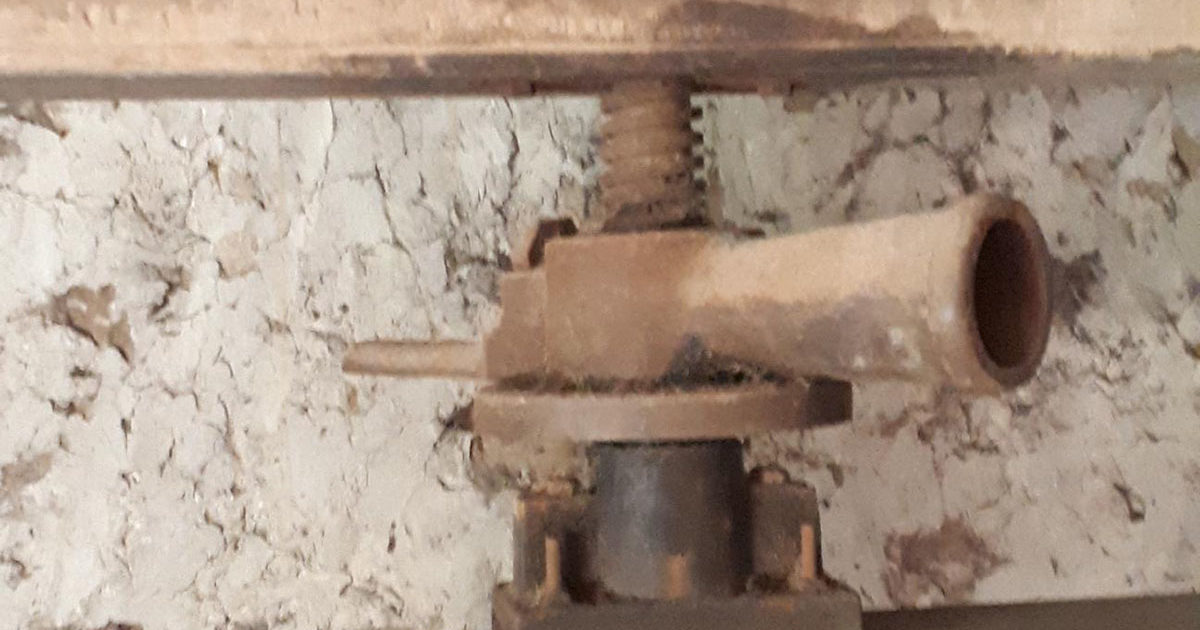
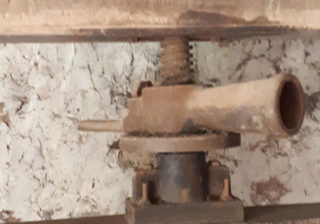
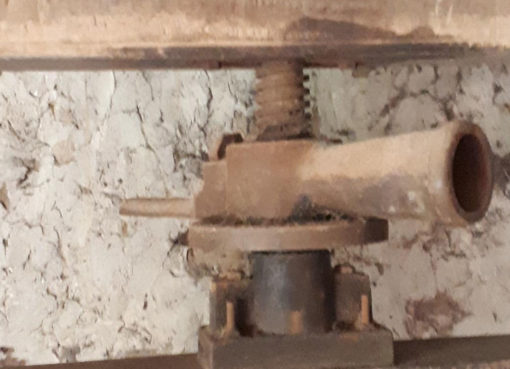
Viéndese llagar de maera
Con masera de 1 m2, fusu d'acieru y capacidá de 8 a 10 sacos LA SIDRA.- El llagar en custión ye un llagar clásicu, antiguu que lleva años ensin usar y la estructura vese abondo bien nes...
ChigresEncamientosGastronomía
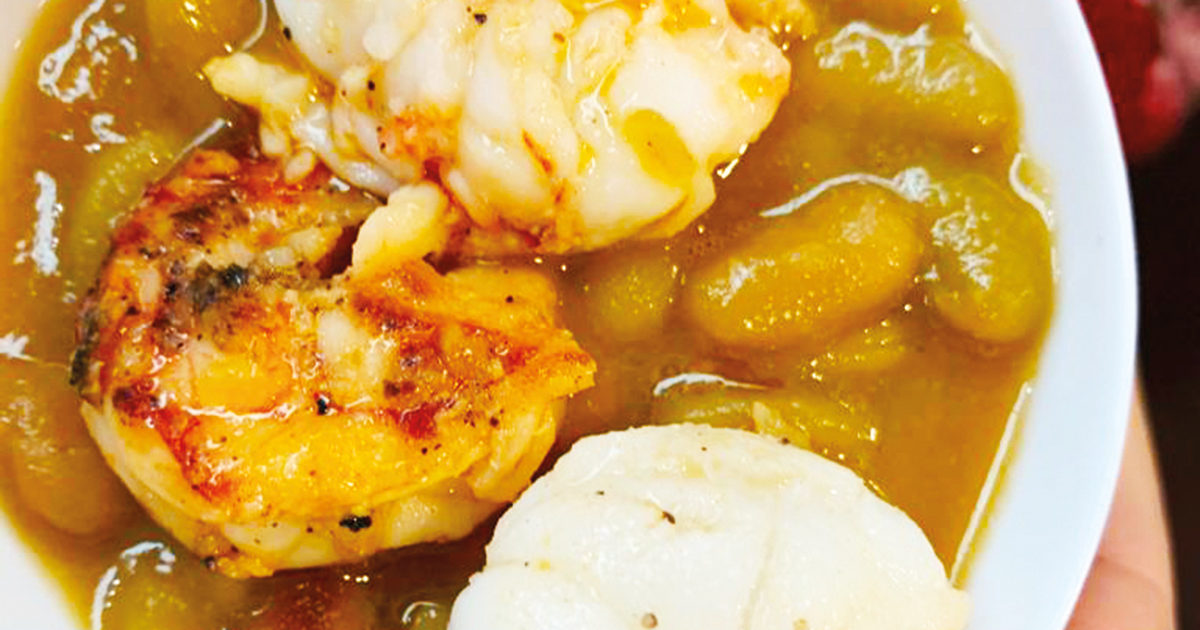
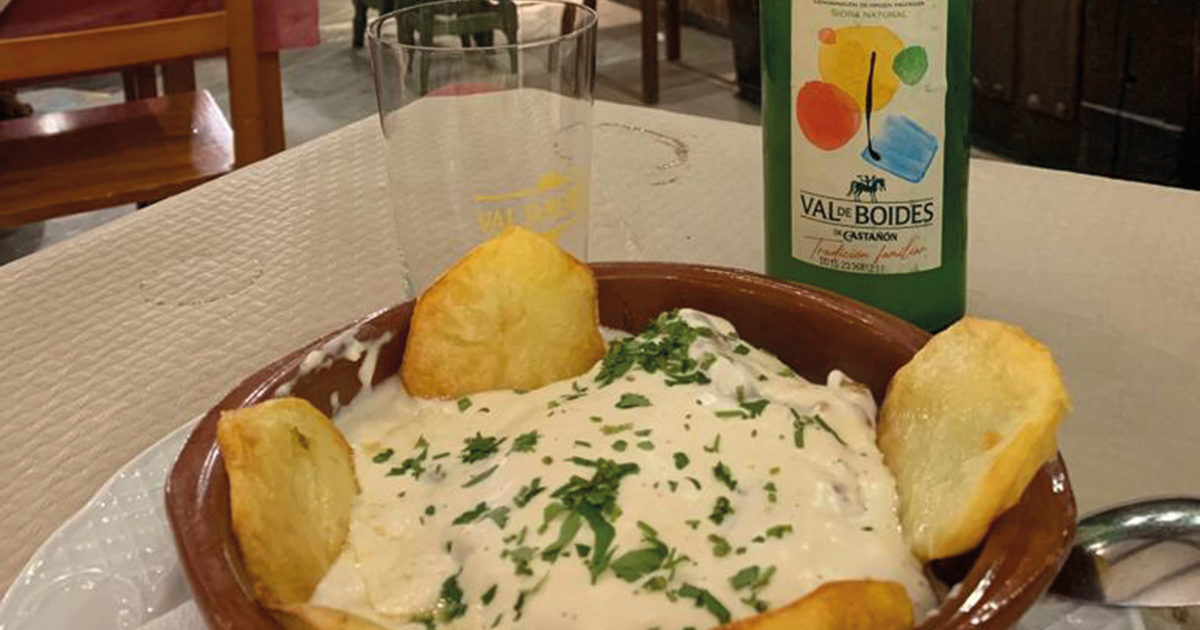
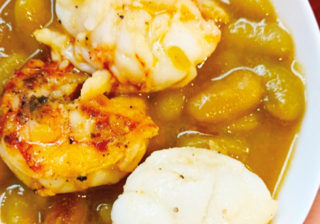
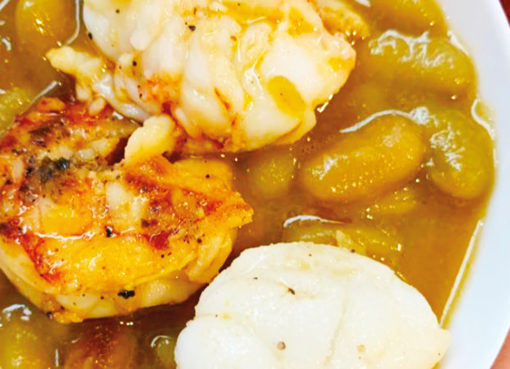
Verdines amariscaes y calamares ensin gluten na Sidrería Yumay
Pa picar na barra, anantes de xintar, pidimos unos calamares a la romana, porque la mio compañera ye celiaca y sabemos qu’esti ye ún de los pocos llugares onde se puen pedir ensin gluten per
Cultura sidreraEchaores
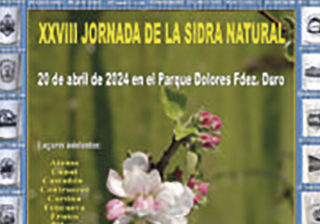
XXVIII Xornada de la Sidra Natural en La Felguera
El venti d’abril, pente les doce de la mañana y les dos y media de la tarde, el parque Dolores Fernández Duro, de La Felguera, cellebrará la so Xornada añal dedicada a la sidra natural, na q